The London Stadium is losing £19m a year, and West Ham don't have an owner
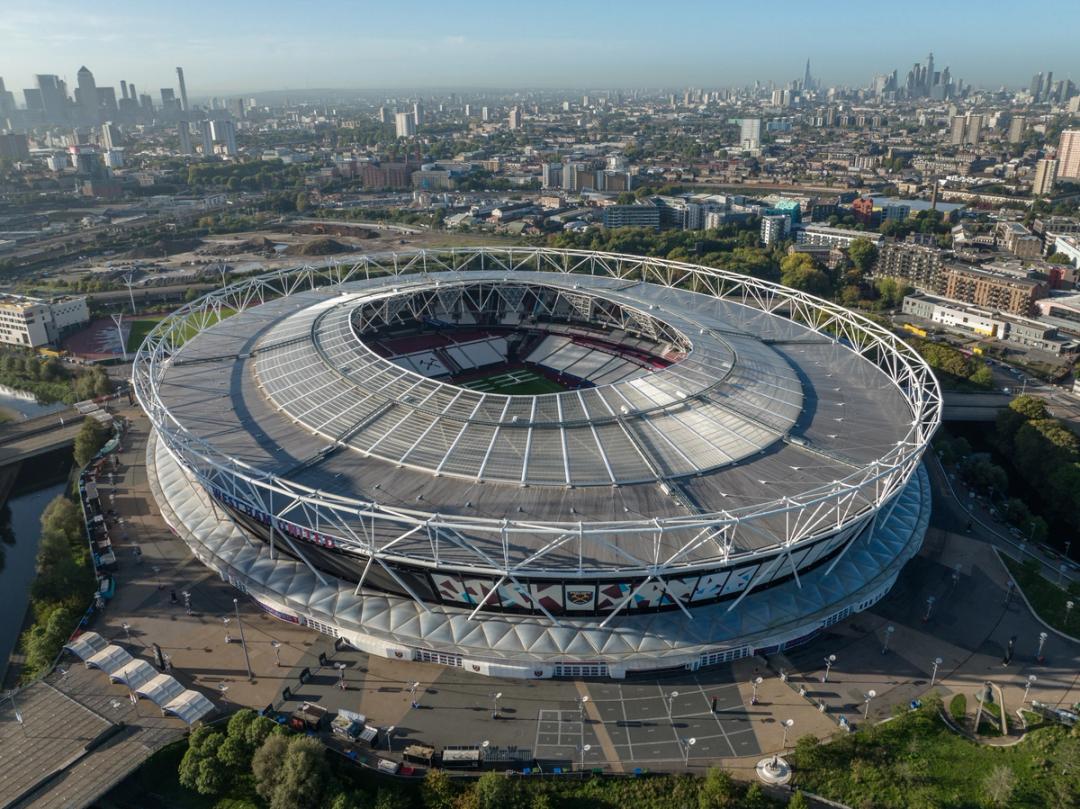
London Stadium is heading for a £19m operating deficit for 2025/26. Lyn Garner, chair of London Stadium LLP, gave the figure to the London Assembly's Economy, Culture and Skills Committee on 22 July.
West Ham's relegation is the main reason. A clause in the club's 99-year lease halves its rent when it drops out of the Premier League, taking it from around £4.4m a year to £2.2m. The Championship also has 24 clubs rather than 20, so West Ham play 23 home league matches instead of 19. The Greater London Authority covers the stadium's operating costs, including stewarding, security and matchday staffing. Income down, costs up, same building.
Sadiq Khan has called the original 2013 agreement, signed under Boris Johnson, the worst deal imaginable. City Hall estimated before the end of the season that relegation would cost taxpayers £2m to £2.5m a year.
Garner put a five-point recovery plan to City Hall. The first point is more concerts, which is the planning application to Newham we covered in June. The others are making the bowl feel less sterile, getting West Ham Women playing at the stadium again after a standoff since 2019 over who pays the running costs, selling naming rights, and persuading West Ham to play a run of away fixtures in September so gigs can be staged during the season. Tottenham do something similar around their NFL contract.
Garner said a naming rights deal with a major sponsor collapsed in 2024 after the stadium operator and the club failed to agree terms. Under the original agreement the first £4m of any naming rights money goes to the stadium's owners, with anything above that split with West Ham.
The supporters' group Hammers United has already rejected the September away games idea.
How did we get here?
2013
The concession agreement is signed under Boris Johnson
2016
West Ham move in from Upton Park
May 2026
Relegation halves the rent and adds four home fixtures
June 2026
David Sullivan steps down and Kretinsky agrees terms for a bigger stake
July 2026
A £19m deficit goes to City Hall and a rival bidder emerges
Who owns West Ham
The club is the stadium's anchor tenant, and its agreement shapes what can be scheduled. At the moment nobody is clearly in charge of it.
David Sullivan stepped down as joint chairman in June after being told that historic allegations about his conduct were about to be published by BBC Panorama and The Times. He denies them. He remains the largest shareholder with 38.8 per cent and says he is no longer involved in running the club. Karren Brady left as vice-chair in April.
Daniel Kretinsky, who owns Royal Mail's parent company and is the largest shareholder in Sainsbury's, agreed key terms in June to buy roughly 16 per cent from the Gold family. That would take him from 27 per cent to about 43 per cent and make him the biggest shareholder. Sky News reported on 30 July that the purchase had not yet completed, despite an expectation it would be done within weeks.
Sky Sports reported on 31 July that PCP Capital Partners, run by Amanda Staveley and Mehrdad Ghodoussi, who fronted the Saudi takeover of Newcastle, have made a formal offer for the Gold family's full 25.1 per cent stake. Sky News put the valuation of the club at up to £600m. Existing shareholders have first refusal, so Kretinsky now has to decide whether to complete his own purchase or let an outside consortium into the boardroom.
The Times reports that Staveley's group has looked at the longer-term possibility of buying the London Stadium itself. That is reported interest, no more, and no funding structure has been confirmed.
Nothing changes on the Park immediately. The planning application still has to go through Newham's consultation, and the numbers in it were set before any of this. But the stadium needs revenue it is not getting from football, and the two levers it has are events and naming rights. Both depend in part on whoever ends up controlling West Ham.
Comments
Loading comments…
Your account has been blocked from commenting. Contact us via the contact form if you'd like to discuss.