Red Heat Warning: how to keep your East Village flat cool this week
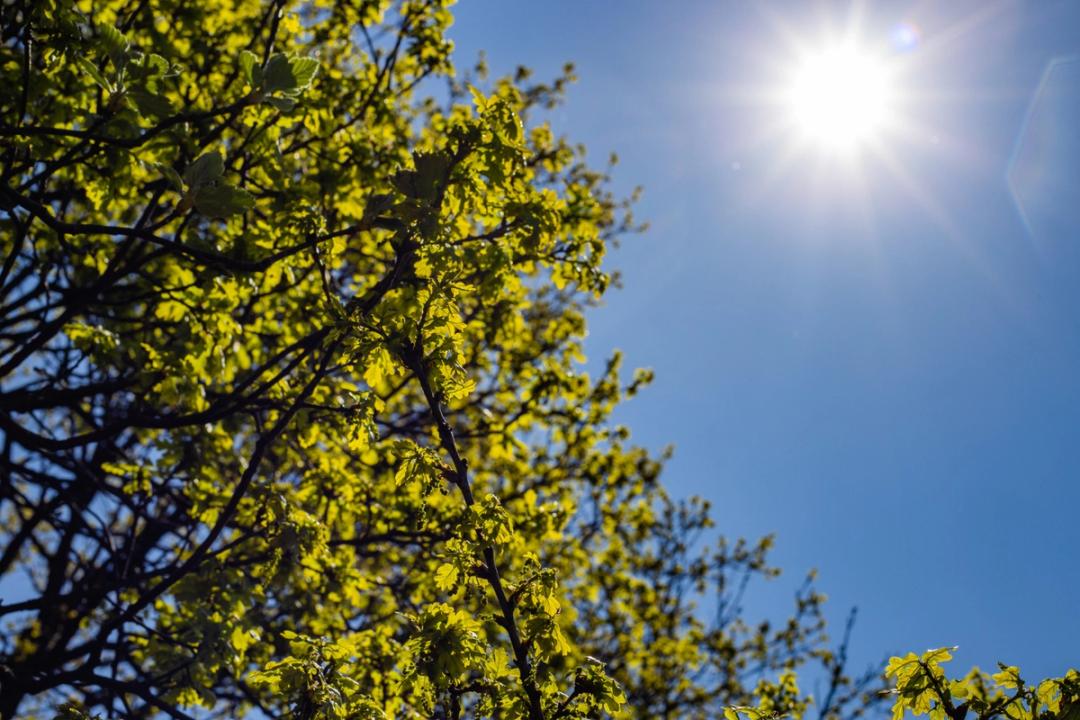
The Met Office has issued a rare Red Extreme Heat Warning covering Wednesday 25 June and Thursday 26 June 2026, 9am–9pm, with temperatures forecast to reach 39°C and above across southern England.
This heatwave is shaping up to be more punishing than 2022: dew points around 22°C mean the humidity will make it feel significantly worse than the thermometer suggests, and tropical nights - temperatures staying above 20°C overnight - will prevent the usual overnight recovery.
The urban heat island effect means E20 and Stratford will run hotter than the surrounding rural areas. East Village’s high-performance, airtight buildings are a genuine asset in winter, but that same thermal efficiency can work against you in a heatwave, trapping heat inside. The tips below are practical, tested, and specific to where you live.
1. Block the heat before it gets in
Solar gain through glass is the single biggest driver of heat build-up in East Village flats. Those large, floor-to-ceiling windows are a defining feature of the architecture - and in a 39°C heatwave, they can turn a flat into a greenhouse within hours. Close blinds or curtains on south- and west-facing windows from early morning, before the sun reaches the glass. Reflective or blackout blinds are significantly more effective than sheer curtains. The key is to act early: once the glass has absorbed and radiated heat into the room, you’re already playing catch-up.
2. Switch your MVHR to summer bypass mode
Most East Village flats use Mechanical Ventilation with Heat Recovery (MVHR) rather than traditional openable trickle vents. In standard heat recovery mode, the system recirculates warm air - exactly what you don’t want during a heatwave. Check your MVHR unit (typically a wall panel or ceiling-mounted unit) for a summer or bypass setting. If you’re unsure how to activate it, contact GetLiving’s maintenance line - they can talk you through it or arrange a visit. Switching to bypass allows fresh air to flow through the flat without the heat being recirculated back in.
3. Ventilate strategically - not constantly
On a day when outside air is 39°C, opening your windows in the afternoon simply imports hot air. Keep windows closed during the heat of the day - roughly 11am to 8pm. Then open them wide from around 9pm to flush out the heat stored in walls, floors and furniture. If your flat is dual-aspect, or has windows at different heights, use that to your advantage: cooler air enters low, hot air escapes high, creating a stack-effect draught that moves air without a fan. Residents on higher floors (above around the 10th) have restricted window openings for safety reasons - a fan becomes more important in those flats to help circulate air overnight.
4. Use fans cleverly
A fan doesn’t cool the air - it cools you, by speeding up evaporation from your skin. To get more from a desk fan, place a bowl of iced water or a frozen bottle directly in front of it: as air passes over the cold surface, it drops in temperature before reaching you. At night, drape a damp towel over the window frame and position a fan to draw air across it - this simple evaporative trick can lower the temperature of incoming air by several degrees, making a real difference to sleep quality over these two nights.
5. Make the most of Victory Park and QEOP
East Village’s 25+ acres of mature parkland are measurably cooler than flat interiors during a heatwave - tree canopy, open air and water features all contribute. This isn’t just a pleasant suggestion; time spent in green space is a genuine heat management strategy. Aim for early morning (before 9am) or evening (after 7pm) when temperatures are lower and the sun’s angle is less intense. The Queen Elizabeth Olympic Park’s waterways, shaded paths and open lawns offer real relief. If your flat is struggling to cool down overnight, an evening walk in the park before bed can help lower your core temperature before you try to sleep.
6. Create a cool refuge inside
If cooling the whole flat isn’t realistic, focus your efforts on one room. Choose a north-facing room, or whichever room gets the least direct sun. Keep the door closed, blackout the window, and concentrate any cooling - fans, damp towels, ice - in that space. This matters most for sleeping. If your bedroom faces south or west, it may simply be too hot to sleep in comfortably on these two nights. Consider moving to a cooler room for Wednesday and Thursday - the living room, a spare room, or even a mattress on the floor in a north-facing hallway. It’s two nights; comfort and safety come first.
7. Cut internal heat sources
Every appliance running in your flat adds heat to the air. Avoid using the oven on both days - opt for no-cook meals, salads, cold dishes, or pick up food from one of East Village’s local cafes and restaurants. Turn off TVs, laptops and phone chargers when not actively in use; even on standby, electronics generate warmth. Delay dishwasher and washing machine cycles until after 9pm, when outside temperatures begin to drop and the heat they generate is less of a problem. Small changes across a whole flat add up.
8. Hydrate and watch for heat exhaustion
Drink water regularly throughout both days, even if you don’t feel thirsty - thirst is a late signal of dehydration in hot weather. Know the signs of heat exhaustion: heavy sweating, cold, pale or clammy skin, a fast but weak pulse, nausea, dizziness and muscle cramps. If you or someone nearby shows these signs, move to a cool place, lie down, loosen clothing and sip cool water. If symptoms escalate to hot, red or dry skin, confusion, rapid strong pulse, or loss of consciousness, call 999 immediately - this is heat stroke, a life-threatening emergency that requires urgent medical attention.
9. Check on your neighbours
A Red Extreme Heat Warning is a risk to life for the whole community, not just those who are already vulnerable. That said, older residents, people who live alone, those with underlying health conditions, and households with babies or young children face a significantly higher risk. A knock on the door, a quick text, or an offer to pick up a cold drink when you’re heading out costs very little and could make a real difference. East Village is a community - these are the moments that show it.
A Red Extreme Heat Warning is the Met Office’s highest alert level, issued only when there is a credible risk to life. It is rare, and it is serious. Over Wednesday and Thursday, please look out for yourselves and for one another. Stay cool, stay hydrated, and don’t hesitate to check in on a neighbour.
Comments
Loading comments…
Your account has been blocked from commenting. Contact us via the contact form if you'd like to discuss.