The buildings on your doorstep are at the centre of a landmark fire safety legal battle
If you live in or around East Village, there's a good chance you've noticed scaffolding, cladding work, or safety notices on some of the buildings over the past few years. Behind all of that is a years-long legal battle - and it just reached a significant new milestone.
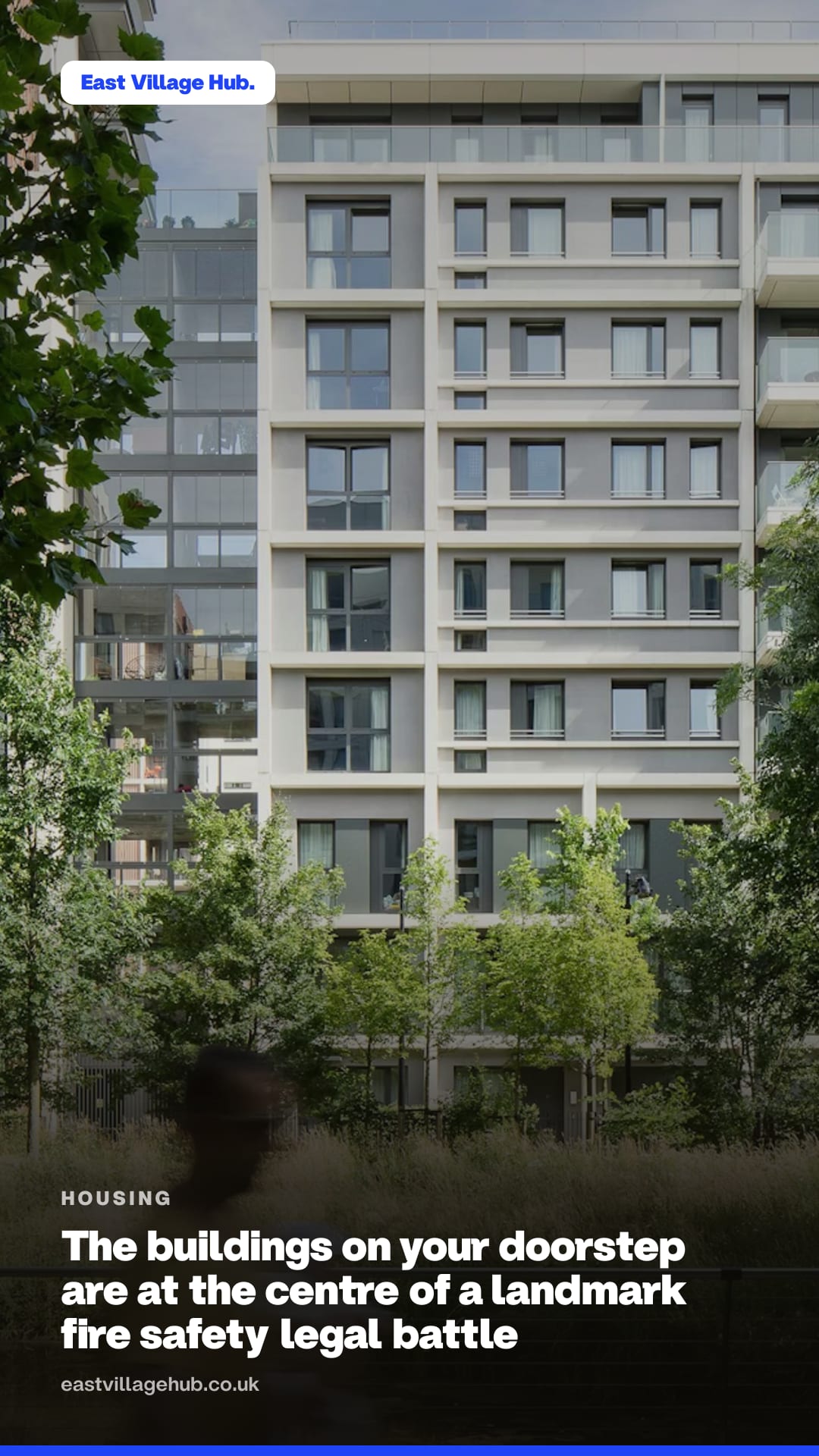
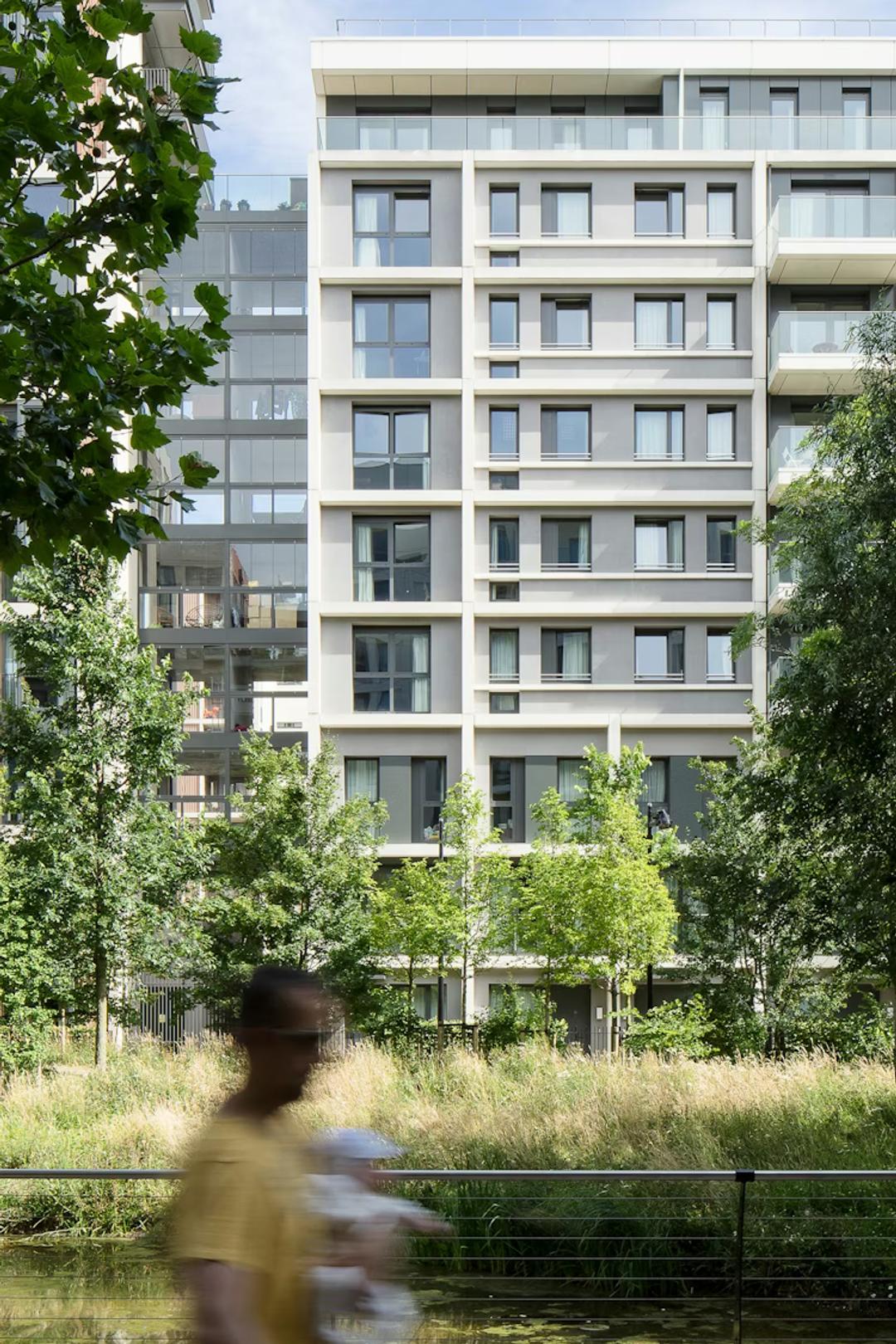
In January 2026, a residential property tribunal handed down a ruling directly involving four of our neighbourhood's buildings: Mellor House, Chroma Mansions, Seasons House and Patina Mansions at Plot N26. It was the first case of its kind under the Building Safety Act 2022 — and it matters well beyond East Village.
What happened to these buildings?
After the Grenfell Tower fire in 2017, inspectors went through every building at East Village. They found serious fire safety problems: combustible cladding and insulation, inadequate firestopping between floors, combustible timber balcony decking, and missing fire barriers in the external walls.
A 24-hour waking watch was put in place from November 2020 while temporary alarms were installed. Remediation of the external walls of the Plot N26 buildings was then carried out by a contractor, partly funded by a government grant.
The buildings have been made significantly safer. But the question of who pays - and who is ultimately responsible — has been fought through the courts ever since.
Who are the main players?
Triathlon Homes - owns and manages the affordable and social housing at East Village (around 1,400 homes).
GetLiving - owns and manages the private rented homes (around 2,800 properties). Also owns Stratford Village Development Partnership (SVDP), the company that originally built the village for the London 2012 Olympics.
EVML (East Village Management Limited) - jointly owned by GetLiving and Triathlon. Responsible for maintaining the structure and common areas of the whole estate, and for managing the remediation programme.
SVPH (Stratford Village Property Holdings 1 & 2) - two GetLiving subsidiaries that hold the legal freehold of the East Village land. These are the companies on the other side of the January 2026 case.
What was the January 2026 ruling about?
EVML served legal payment notices on SVPH for two sets of costs:
- £10.27 million - GetLiving's share of the external cladding remediation on the four Plot N26 buildings
- £2.3 million - the running costs of EVML's in-house remediation team managing the estate-wide programme
SVPH appealed both notices. The tribunal rejected almost all of their arguments.
This may seem routine, but the legal mechanism used here is unlike anything tested before. The 2024 landmark ruling (more below) employed a power called a Remediation Contribution Order, which requires the tribunal to decide whether it's "just and equitable" to make the developer pay. That provides the tribunal with some flexibility.
The January 2026 case used a different mechanism - Regulation 3 of the Building Safety (Leaseholder Protections) Regulations - for the very first time. Under Regulation 3, there is no "just and equitable" test. If the conditions are met, the responsible landlord must pay. No balancing exercise. No discretion. That makes it a more powerful tool for recovering costs from developers.
The three key questions the tribunal decided
1. "The government already paid for some of it - so you can't charge us too." SVPH argued that because taxpayer money from the Building Safety Fund had partly covered the works, the legal conditions for the notices weren't met. The tribunal disagreed. Government funding is designed as a temporary measure, with obligations to repay it once liability is established. Letting developers off the hook simply because the state stepped in would defeat the purpose of the law.
2. "These rules didn't exist when the costs were paid." SVPH argued that Regulation 3 couldn't apply to costs incurred before the regulations came into force in July 2022. The tribunal rejected this too. The whole point of the Building Safety Act is to address a crisis caused by decades of historic construction defects - retrospective application is central to how the law works.
3. "You can't claim for costs you haven't actually paid yet." This was the one area where SVPH achieved a partial victory. The tribunal agreed that Regulation 3 can only cover costs for which EVML was already legally liable when serving the notices - not future estimated amounts. Around £3.9 million was therefore excluded on this basis. EVML can serve a new notice once those costs are confirmed.
How did we get here? The story so far
January 2024 - The £18 million landmark ruling
Triathlon Homes won a landmark case against SVDP and Get Living, with the tribunal ordering nearly £18 million to be paid towards the Plot N26 remediation costs - covering major works, interim fire safety measures, and additional costs. It was the first major test of the Building Safety Act in court.
July 2025 - Court of Appeal upholds the decision
GetLiving challenged the ruling. The Court of Appeal threw the challenge out.
Now - Supreme Court appeal pending
GetLiving has been granted permission to take the case to the UK Supreme Court, on one narrow question: whether it's lawful to order a developer to pay costs that predate the legislation itself. That appeal is still pending.
January 2026 - The Regulation 3 first
The new ruling - the first use of Regulation 3 in any tribunal - goes largely against SVPH, and sets legal precedent for similar cases across England.
The bigger picture: a £432 million problem
The Plot N26 buildings are only five of 63 structures across East Village. EVML has estimated the total cost of restoring the entire estate at around £400–432 million (figures cited in court proceedings and industry reports). GetLiving has allocated £411 million in provisions but is also disputing the scope of works required - arguing that the proposed remediation exceeds the government's recommended standards. Triathlon and EVML are resisting these claims.
EVML has already launched further legal proceedings covering the remaining buildings. That case could be heard later in 2026.
In the meantime, the Government's Building Safety Fund is covering costs while the litigation continues - meaning taxpayers are temporarily funding remediation that the courts are in the process of assigning back to those responsible.
What does this mean if you live here?
If you're a leaseholder, the most immediate effect is on your ability to sell. Buildings cannot obtain the EWS1 fire safety certificate required by mortgage lenders until remediation is finished and approved. Many residents have been unable to move forward since 2020. The quicker legal disputes are resolved and works are completed, the sooner that situation will improve.
If you're a renter, the works affect your building's safety status and may have caused disruption. The legal outcomes don't directly affect your tenancy, but they do determine how quickly and comprehensively the estate gets fixed.
For all of us, this story is about accountability. The fire safety issues at East Village weren't caused by residents - they resulted from how the buildings were designed and constructed. The Building Safety Act exists to ensure the cost of fixing those issues doesn't fall on the residents here.
—
The full tribunal decision is published at GOV.UK (reference LON/00BB/BSD/2024/0601). For updates on remediation works, visit eastvillageremediation.co.uk. If you're a leaseholder affected by fire safety issues, free advice is available from the Leasehold Advisory Service.
Comments
Loading comments…
Your account has been blocked from commenting. Contact us via the contact form if you'd like to discuss.